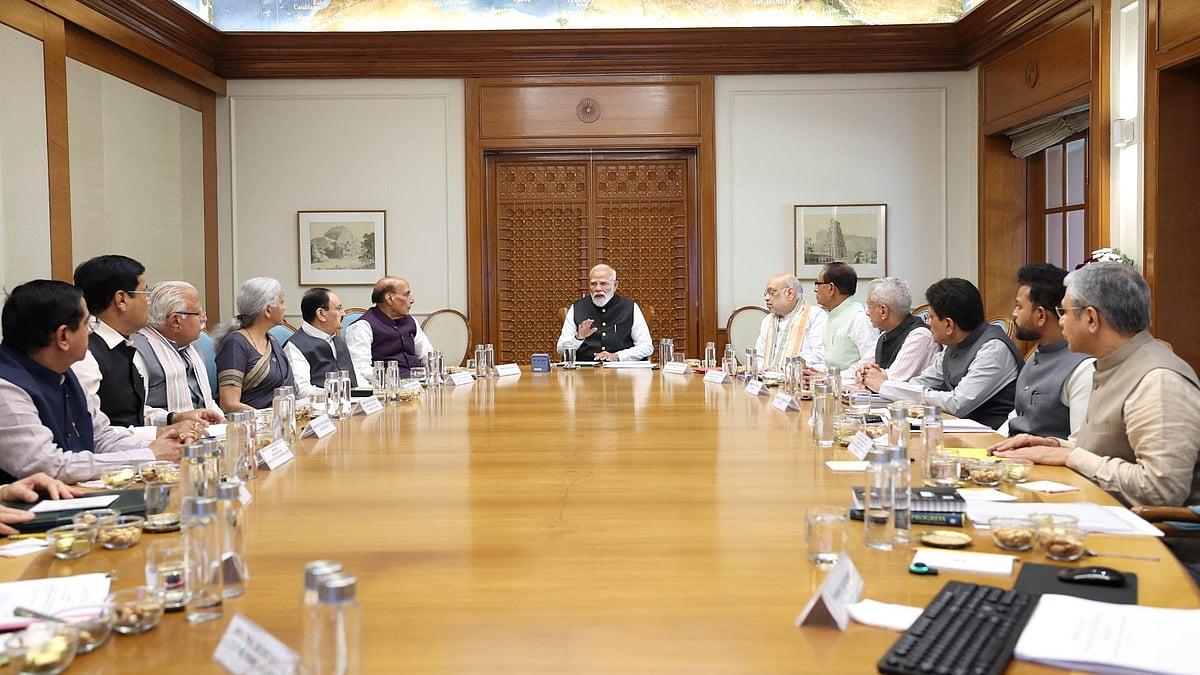
In a crucial move to tackle growing global uncertainty, Prime Minister Narendra Modi chaired a high-level meeting in New Delhi to assess the impact of the escalating West Asia situation on India’s energy and essential supply sectors.
Top ministers from key departments joined the closed-door discussion, including Amit Shah, Rajnath Singh, JP Nadda, Nirmala Sitharaman, S. Jaishankar, Shivraj Singh Chouhan, Mansukh Mandaviya and Piyush Goyal. The presence of senior leadership highlighted the seriousness of the situation.
According to sources, the government is closely monitoring the availability and distribution of petroleum products, crude oil, natural gas, electricity, and fertilisers. The main aim of the meeting is to ensure that there are no disruptions in supply chains and that transportation and logistics systems remain stable across the country despite global pressures.
The discussions come at a time when tensions in West Asia are affecting global energy markets, raising concerns about price fluctuations and supply bottlenecks. India, being heavily dependent on imported crude oil, is particularly sensitive to any instability in the region.
Earlier this month, the Prime Minister had already flagged the crisis as a major global challenge, calling it a test of resilience and preparedness. He emphasized the need for discipline and awareness among citizens while assuring that the government is actively working to manage the situation.
Officials believe that energy routes passing through the strategically vital Strait of Hormuz remain a key concern, as any disruption there could have a direct impact on India’s fuel supply.
The government is expected to continue reviewing the situation closely and may take further steps to safeguard the country’s energy security in the coming days.
.jpg)