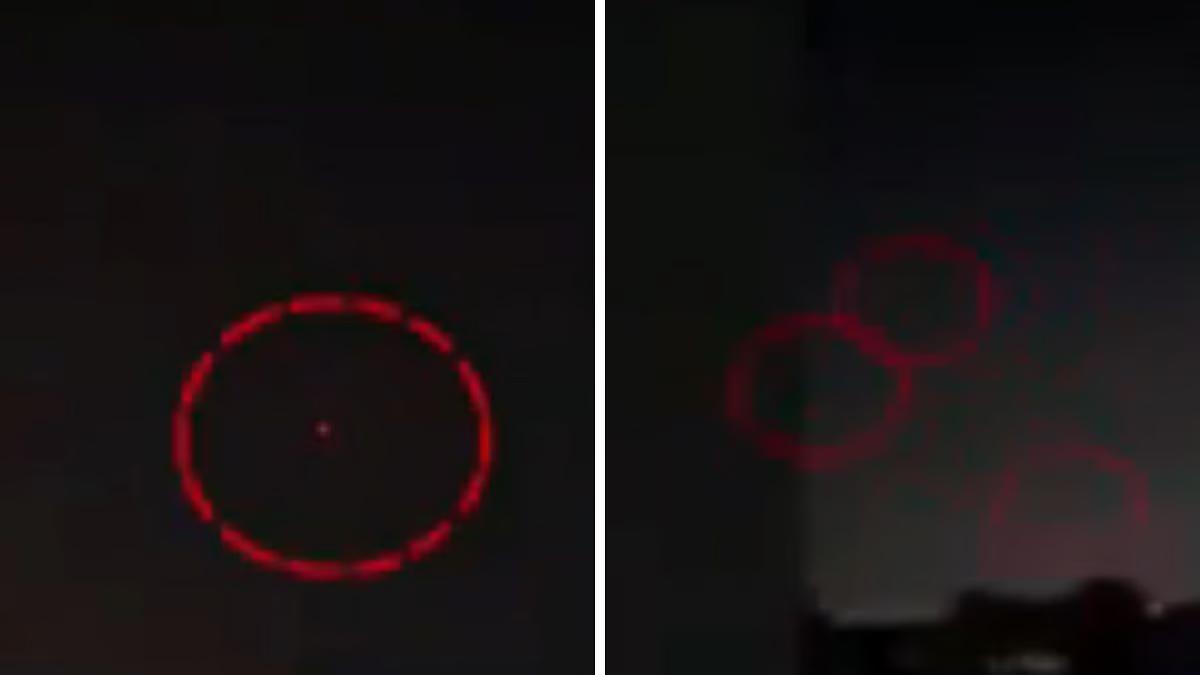
In the early hours of Thursday morning, at approximately 4 am, a Pakistani drone was spotted over Jamnagar, Gujarat. The Indian armed forces, maintaining high alertness, responded swiftly and successfully shot down the drone before it could reach its intended target. As a precautionary measure, a blackout was enforced across Jamnagar to ensure the safety of military and civilian areas.
This incident is part of a broader series of coordinated drone and missile attacks launched by Pakistan across multiple Indian states, including Gujarat, Punjab, Rajasthan, and Jammu & Kashmir. However, the Indian forces’ rapid and effective response neutralized each threat, showcasing their preparedness and resolve.
According to India Today, three additional Pakistani drones were destroyed in Kutch district, prompting another blackout across the region to protect military assets and civilian infrastructure from potential follow-up attacks. Between 4:30 am and 5:30 am, Pakistani forces attempted to strike the BSF camp in Ramgarh, Jaisalmer, using drones. India's air defense systems intercepted and destroyed these drones, preventing any damage. A similar infiltration attempt along the international border in Samba, Jammu & Kashmir, was also successfully thwarted by the Border Security Force (BSF) overnight.
The Indian Army confirmed that the Pakistani offensive included multiple drone-led assaults and ceasefire violations along the Line of Control (LoC) between May 8 and 9. The Army issued a statement noting, "The drone attacks were effectively repulsed and a befitting reply was given to the ceasefire violations."
A significant development in this series of attacks was the large-scale counter-drone operation conducted by Indian forces across key strategic regions including Udhampur, Samba, Jammu, Akhnoor, Nagrota, and Pathankot. This operation successfully neutralized over 50 Pakistani drones, marking one of the largest anti-drone operations in recent times. ANI reported that sophisticated air defense systems, including L-70 anti-aircraft guns, Zu-23mm cannons, Schilka systems, and advanced counter-unmanned aerial systems (UAS), were employed to detect and destroy incoming aerial threats.

.jpg)