“Better to Have A Divorced Daughter": Twisha Sharma Death Probe Takes Dramatic Turn In Supreme Court
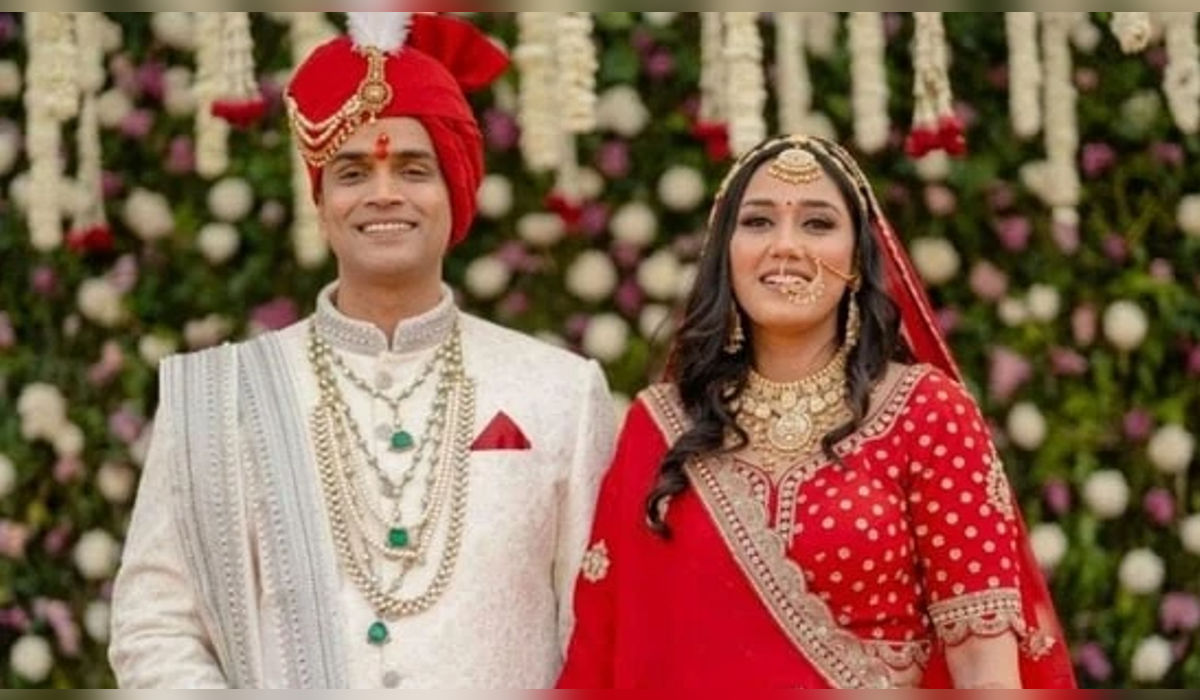
The Supreme Court on Monday stressed the importance of a “fair and impartial” investigation into the death of former actor-model Twisha Sharma, while supporting the Madhya Pradesh government’s move to hand the case over to the Central Bureau of Investigation amid rising controversy and allegations of bias.
Taking up the matter suo motu, a three-judge bench headed by Surya Kant observed that the circumstances surrounding the probe had created widespread public concern, making an independent investigation necessary to maintain confidence in the process.
“At this stage, in the interest of all, an independent agency should take over,” the bench remarked during the hearing.
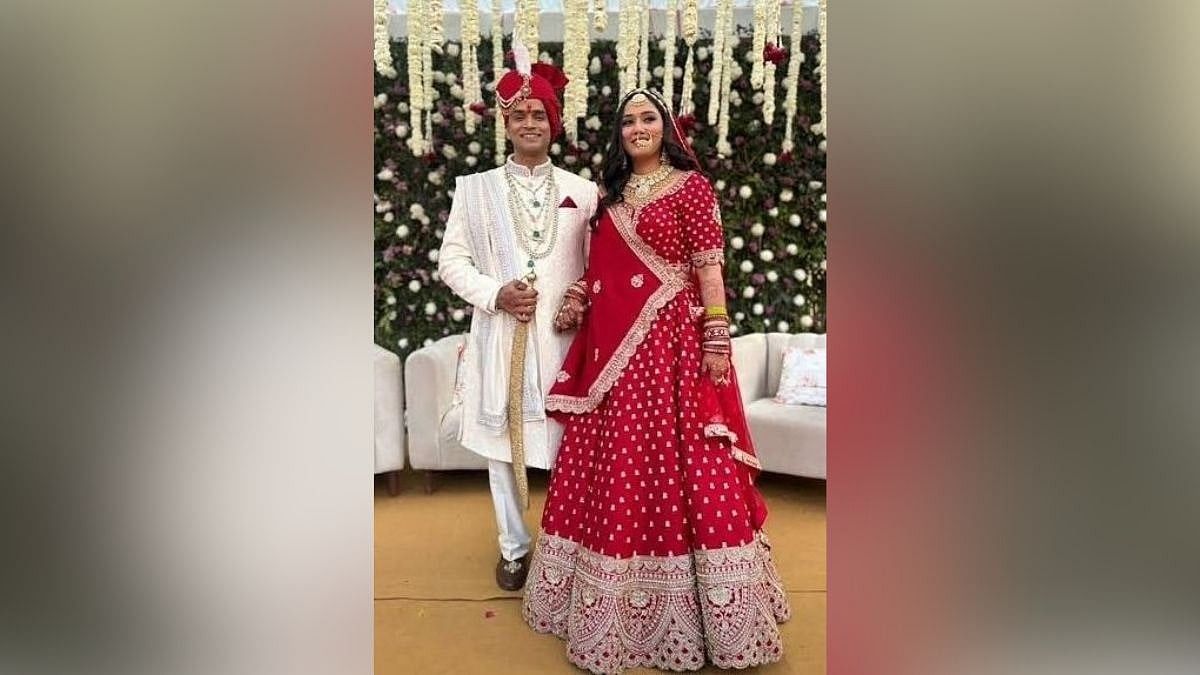
Twisha Sharma, 33, was found dead at her matrimonial residence in Bhopal on May 12. While her family has alleged dowry harassment and abetment to suicide by her in-laws, the accused side has claimed the former model was struggling with substance abuse issues.
The apex court noted that questions were being raised publicly over whether the investigation could be influenced because the accused family had links to the judiciary. Referring to the growing narrative around the case, the bench said allegations were surfacing that a fair probe was being obstructed due to the involvement of judicial circles.
“A narrative was also created that fair investigation was denied due to the involvement of the judiciary,” the court observed while explaining why suo motu proceedings were initiated.
The bench also took note of concerns surrounding the investigation process and acknowledged that the Madhya Pradesh High Court had already directed a second post-mortem examination in the matter.
Backing the state government’s recommendation for a CBI investigation, the Chief Justice said the court appreciated the decision and reiterated that the move was aimed at ensuring neutrality rather than questioning state agencies.
“We have no doubt that agencies will investigate properly. But a narrative is being created, so an independent agency should take over,” the bench stated.
Throughout the hearing, the Supreme Court repeatedly appealed to both families and the media to avoid public commentary that could affect the ongoing investigation.
“We request media friends, don't give out statements about the families. Let the investigation go on,” the court said, cautioning against sensationalism and trial by media.
The bench further observed that statements connected to the case should be presented before investigators rather than through television appearances or public platforms.

.jpg&w=3840&q=75)