“Oil & Gas Ships Stuck!” — 28 Vessels Linked To India Trapped Amid Hormuz War Crisis
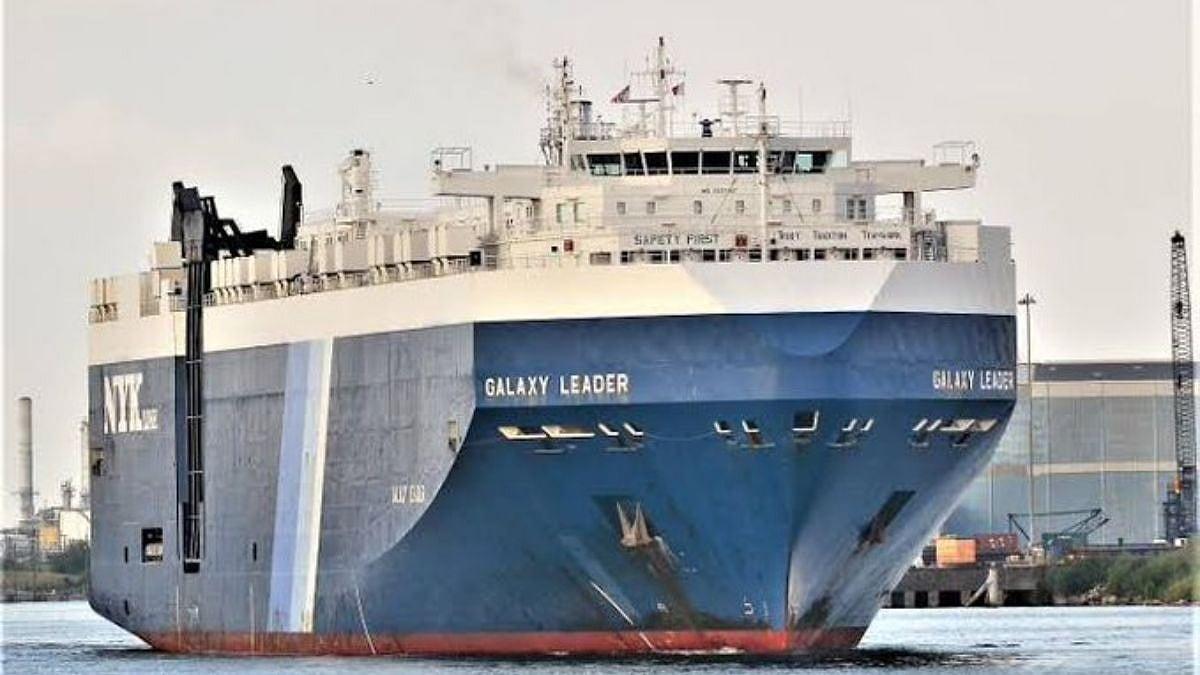
Amid the escalating conflict in West Asia, the Indian government has revealed that a total of 28 vessels linked to India are currently stranded in the Persian Gulf, raising serious concerns over energy supply routes through the Strait of Hormuz.
According to officials, 10 foreign-flagged ships carrying energy cargo meant for India are unable to move, while 18 Indian-flagged vessels remain stuck in the same region due to heightened security risks and restricted maritime movement. The disruption comes as tensions continue to impact one of the world’s most critical shipping corridors.
Shipping ministry official Rajesh Sinha stated that among the stranded foreign vessels, three are carrying LPG, four are loaded with crude oil, and three are transporting LNG. The situation has created uncertainty around the timely delivery of essential fuel supplies.
The government has made it clear that its top priority is to ensure safe passage for Indian-flagged ships carrying cargo meant for the country. Authorities are closely coordinating movements and waiting for safe windows to allow vessels to cross the Strait.
Despite the crisis, some movement has taken place in recent days. Two LPG carriers transporting nearly 94,000 tonnes of cooking gas successfully passed through the Strait earlier and are expected to arrive at Mumbai Port and New Mangalore Port shortly.
Since the conflict began on February 28, at least four Indian-flagged tankers have managed to cross the Strait of Hormuz. The first successful crossings were reported in mid-March, when two LPG tankers completed their journey after initial disruptions halted shipping activity. Later, around March 29, two more LPG carriers were allowed to pass as authorities permitted limited and controlled transit.
The Strait of Hormuz remains a vital route for global energy supplies, handling a significant share of oil and gas shipments worldwide. Any disruption in this narrow passage has a direct impact on countries like India that rely heavily on imports for their energy needs.
With tensions still high and vessel movement restricted, the situation continues to be closely monitored by Indian authorities as they work to prevent any major disruption to fuel supplies in the coming days.